
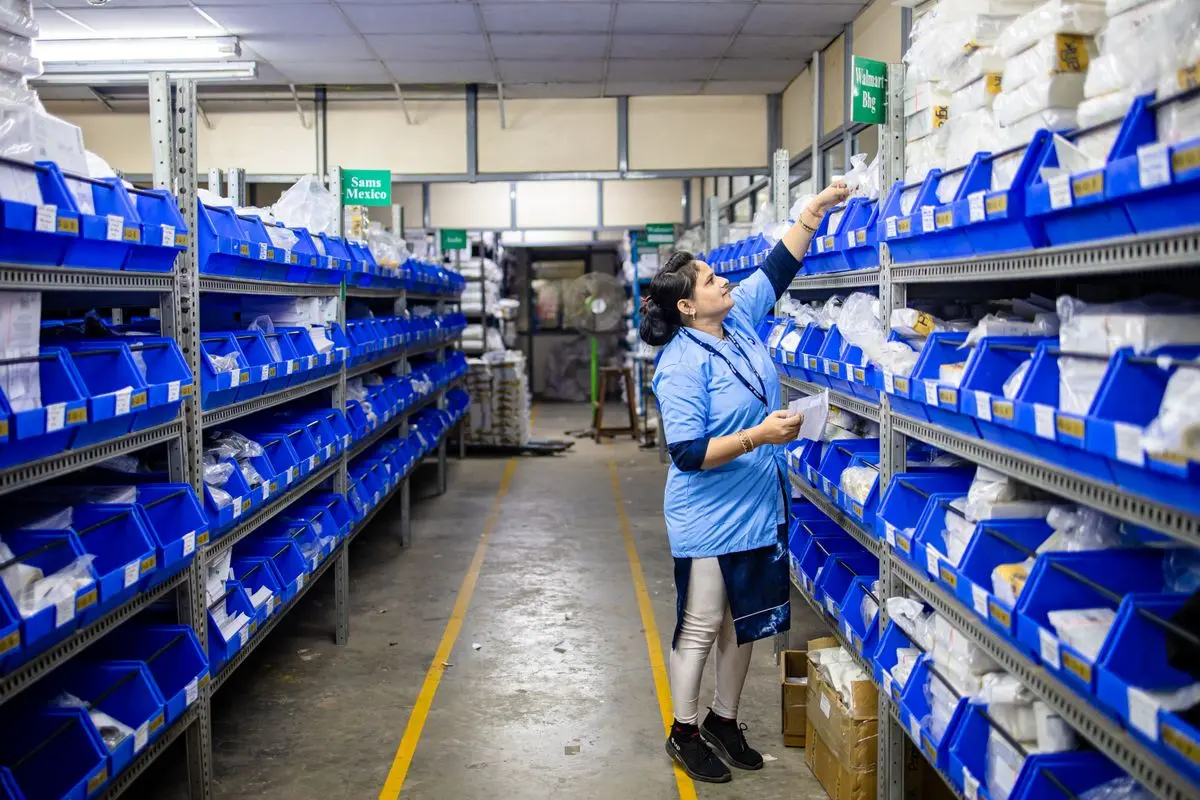
On-site workflow discovery examines how work moves through people, systems and decisions in the place where it happens. A useful visit follows real tasks, including interruptions and exceptions, then turns the observations into findings the organisation can check and act on.
The value comes from evidence that a meeting alone may miss. A warehouse colleague may re-enter a reference because the next system cannot accept it. A manager may keep a private checklist because the formal process omits a decision. Those details help explain why an apparently simple workflow takes time.
This guide describes preparation, observation and handover for an established business or charity. The proposed schedules are illustrative. A single day can examine a bounded task, but a large organisation, several shifts or an infrequent operating cycle may require multiple visits and follow-up.
Define the question the visit should answer
Start with a specific task or decision. “Understand our business” is too broad to establish coverage or judge the findings. “Examine how customer orders become ready for fulfilment and why some require repeated clarification” gives the visit a practical boundary.
Identify the outcome you want from discovery. You may need a process map, an explanation of waiting time, an options assessment or a pilot proposal. These deliverables require different evidence. Agree them before deciding how many days of observation are needed.
State what remains outside the review. A consultant examining an approval handoff may notice a wider finance question without being commissioned to resolve it. Record adjacent issues and the relevant owner, rather than allowing the visit to expand indefinitely or implying that every observed area has been fully assessed.
The consultancy brief guide provides a reusable preparation structure. It helps distinguish the business problem from a preferred technical solution, leaving room for discovery to establish whether the useful change is procedural, technical or a combination.
Prepare a representative operating window
Choose timing that reflects the work. A monthly reporting process cannot be understood fully during a quiet mid-month morning. A distribution operation may behave differently during a delivery peak, and hospitality receiving may be most revealing before service begins.
Identify which roles, shifts and locations need to be represented. Coverage does not necessarily mean observing everyone. A deliberate sample can be useful, provided the report states what was examined and what remains unobserved. Avoid presenting a short visit as comprehensive evidence of the whole organisation.
Allow access and briefing time. Visitor arrangements, equipment, permissions and staff availability all affect the useful observation window. Plan these before arrival so the first hours are not spent trying to obtain an account or find the person who can authorise a screen view.
Consider whether remote preparation can improve the visit. A process outline, system-role list and short sponsor conversation can identify the right tasks without transferring sensitive records. This allows on-site time to focus on the operation rather than repeating basic organisational information.
Explain the purpose to staff
Tell participating colleagues what is being examined, how observations will be used and what information will be recorded. Staff should understand that the review concerns the agreed process and its constraints. An unexplained visitor taking notes can change behaviour and create unnecessary anxiety.
Invite staff to explain workarounds and exceptions without assuming they represent poor performance. A private spreadsheet may compensate for a missing system feature or an unclear handoff. The review needs to understand why the workaround exists before recommending that it be removed.
Agree how personal or sensitive information will be handled. Observation should use the minimum necessary detail, with controlled access to screens or records where appropriate. A consultant does not automatically need copies of customer files simply because they are present in the workplace.
Avoid covert monitoring or recording. If audio, photography or screen capture is genuinely needed, arrange the appropriate permission and information handling beforehand. Many process questions can be answered through notes, timings and synthetic examples without creating recordings of staff or customers.
Follow a task from trigger to outcome
Begin with the event that starts the work: a form submission, a delivery, an accepted quote or a scheduled reporting date. Follow the task through the actual sequence rather than only asking each department to describe its own part independently.
Record the person or role, system, decision and evidence at each step. Note where the next person knows work is ready and how they accept responsibility. Handoffs are often where delays become invisible because each team considers its own activity complete.
Keep processing time and waiting time distinct. Watching someone enter a record may reveal a small repeated task, while the larger delay comes from an approval that waits several days. Both matter, but they point to different interventions and should not be combined into one vague estimate.
Our workflow mapping guide explains how to turn observations into a usable map. The map should represent what happens, including exceptions, before the team designs a preferred future process.
Examine the decisions hidden inside routine work
Ask staff what tells them the next action is appropriate. They may compare a document with an order, recognise an old customer reference or know which manager can approve an exception. These decisions can be easy to miss when a task appears to be simple data entry.
Separate repeatable rules from judgement requiring context or authority. A known category can route to a team through ordinary rules. A disputed service outcome may need an authorised person. Discovery should identify those boundaries before proposing AI or another automated decision layer.
Ask what happens when the expected information is missing. Does the task stop, move to another queue or continue using an assumption? Record who can resolve the uncertainty and how the decision is preserved. A process may work well only because one experienced colleague supplies knowledge nobody else can access.
Include the customer's perspective where relevant. A status change that looks complete internally may leave the customer waiting for a reply. The visit should establish the business outcome, not just the event that makes one team's task list appear clear.
Use an illustrative multi-day discovery plan
Consider a fictional organisation with several teams handling a service request. A possible plan uses remote preparation, an initial observation day, further targeted observation and a review session. This is a scoping example, not a fixed package or a claim that four sessions suit every business.
- Preparation: agree the question, sample tasks, access and participating roles.
- First visit: observe the ordinary route and record handoffs, decisions and waiting points.
- Targeted follow-up: examine a different shift, an exception or a missing part of the evidence.
- Analysis: compare observations with records and distinguish confirmed findings from assumptions.
- Review: validate the map with staff and agree a prioritised next decision.
Some of these activities may be remote, while others require presence. The duration depends on the operating cycle, complexity and available evidence. A proposal should explain what can reasonably be covered within the quoted time and where additional work would need approval.
Do not confuse a long visit with a thorough one. Clear questions, representative sampling and disciplined follow-up matter more than accumulating observation hours. Equally, a short day should not be marketed as a complete understanding of several departments and human working patterns.
Record observations and interpretations separately
An observation might be that an invoice waited in a queue from Monday to Thursday. An interpretation might be that absence cover is unclear. The first can be supported by records; the second needs checking with the relevant people. Keep the distinction visible in working notes and findings.
Use evidence references without copying unnecessary personal details. A task identifier, timestamp and controlled source link can support a finding. A general report usually does not need customer names or a full transcript of staff conversations to explain the process issue.
Record uncertainty honestly. If the visit did not include the month-end peak, say so. If a colleague describes an exception that was not observed, label it as reported information and identify what would be needed to verify it. This makes the final recommendation easier to judge.
Review material interpretations with staff before finalising them. A delay that appears avoidable may serve a legitimate control or depend on an external party. The aim is an accurate account of the work, not a dramatic finding that disappears when somebody explains the missing context.
Assess information and system handoffs
Map where the same information is entered, transformed or reconciled. Identify the source that should own each important field. A customer record, job status and invoice balance may live in different authoritative systems, with the workflow depending on reliable connections between them.
Look for failure visibility. When a transfer fails, does someone know, and can they tell whether the destination accepted the record? A retry without that knowledge can create duplicates. Discovery should capture the recovery process as well as the ordinary successful path.
Consider data minimisation and access. A proposed improvement should not spread customer or staff information into more tools simply because the connections are available. Identify what each role needs and whether existing systems can support the task with less copying.
A business process audit can combine these observations with a review of ownership, systems and controls. The useful output explains where the flow breaks down and what evidence supports the recommendation, without assuming every handoff needs a new application.
Build a realistic improvement shortlist
Group findings by the problem they address. Clearer ownership may resolve an approval delay; a form change may reduce missing references; an integration may remove repeated entry. Present these as different options with their dependencies rather than placing every observation under a single AI transformation label.
Estimate effort and benefit with appropriate uncertainty. Use observed volumes and time samples where available, and label assumptions. A short visit may support a pilot hypothesis without establishing a reliable annual saving. The automation business-case guide explains how to separate released capacity from cash effects.
Include operating costs and responsibilities. A technically feasible automation may require ongoing review, support and rule maintenance. The business needs to know who will perform that work and whether the change reduces total effort rather than moving it to a less visible team.
Prioritise a manageable next step. The best first action may be a procedure correction or a controlled pilot rather than a major rebuild. State what must be true before proceeding and what evidence would cause the organisation to change direction or stop.
Agree deliverables and acceptance
A useful discovery handover includes the reviewed process map, evidence summary, confirmed issues, unresolved questions and prioritised options. Each recommendation should identify its intended outcome, dependencies and next decision. The organisation should be able to use the findings without the consultant narrating every page.
Provide a short practical review with the people who operate the process and the sponsor who can authorise change. Allow factual corrections and record disagreement where it remains. Acceptance should establish that the findings fairly describe the agreed scope, not require staff to endorse every proposed solution.
Clarify ownership of the documents and any later work. A discovery engagement should have value even if implementation is deferred or delivered by another supplier. Ask for editable, usable material where appropriate, with sensitive working evidence handled under the agreed retention arrangement.
If the next phase is training, connect it to the actual tasks and procedures discovered. The workplace training guide explains role-based practice and follow-up. Staff should learn a workable process rather than be trained to compensate indefinitely for a broken handoff.
Plan travel and working arrangements transparently
For an on-site engagement, confirm the location, working windows, facilities and visitor requirements before booking. International visits may involve travel time and accommodation as well as delivery days. A written proposal should separate those items and explain how changes or cancellations are handled.
Use itinerary-specific research where travel costs matter. Generic worldwide averages can be misleading when dates, routes and local conditions differ. The organisation should understand the approved expense policy and total commitment before the visit is confirmed.
State what staff time the client must provide. Interviews, observation and review need participation from people who know the work. If those colleagues are unavailable, the consultant may not be able to gather the agreed evidence within the planned window. Discuss that dependency early rather than treating it as a surprise later.
Keep a contingency for missing evidence. A targeted follow-up may be more useful than extending a visit without a clear task. The proposal should explain how additional scope is agreed, so the organisation retains control over both the work and its cost.
Use discovery as a basis for accountable change
After the handover, assign an internal owner to each agreed next step. Keep the evidence and assumptions available when decisions are made. A good report can still fail to improve operations if it remains separate from the people responsible for implementing and reviewing the change.
Choose a review point after the first improvement. Compare the intended outcome with observed work, including exceptions and staff feedback. If the result differs from the hypothesis, examine the reason rather than adjusting the success definition to make the project appear complete.
Retain what was learned about the operating cycle and coverage limits. Future work can build on the discovery without repeating every interview, while recognising where the organisation or systems have changed. Update the map when meaningful changes occur so it remains useful beyond the original engagement.
On-site discovery earns its place when it makes the work easier to understand and the next decision better informed. Careful observation, respectful staff involvement and a realistic scope provide a firmer foundation for automation than a confident solution selected before anyone has followed the process.
Good questions.
Better operations.
A useful conversation begins with the work you want to improve. Tell us where the friction is; we can establish an appropriate assessment scope.
Explore relevant support ↗